
RESEARCH MAKING AN IMPACT
THE LATEST
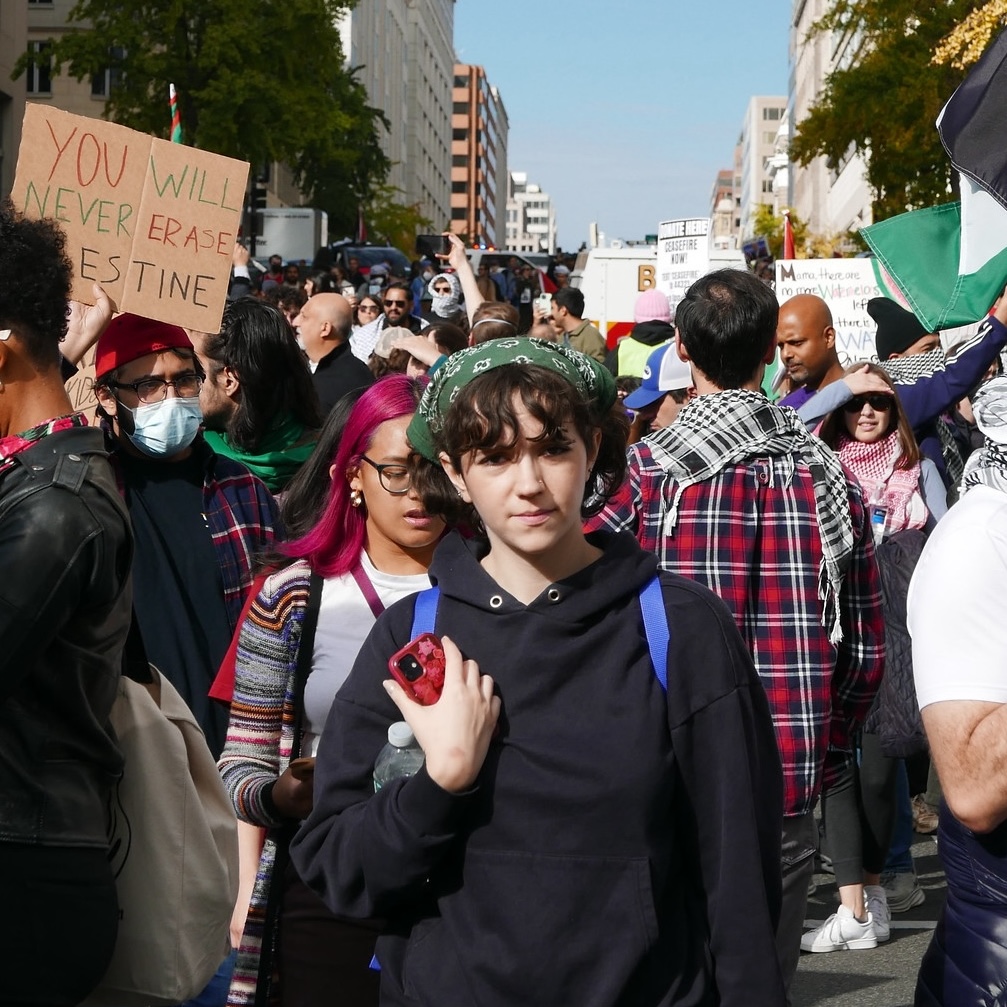
Ceasefire Poll 2024: Religious Groups’ Views on Ceasefire
All three pieces from ISPU’s new research series, titled “Religious Groups’ Views on Ceasefire,” can now be viewed on a landing page that also features report PDF downloads, report graphs, and media references. This series aimed to assess the views religious groups and those not affiliated with a religious group on a number of contentious topics. Visit the landing page→

Analysis: American Muslims, Especially Students, Most Likely to Experience Religious Discrimination
This third piece in ISPU’s new research series, titled “Religious Groups’ Views on Ceasefire,” examines American religious and non-religious groups’ experiences of religious discrimination in the past year, in general and in various settings, among Muslims, Jews and the American public in general. Read the analysis→

‘Banking While Muslim’ cited in Senator Elizabeth Warren and Rep. Ilhan Omar’s letter to U.S. financial institutions
Senator Elizabeth Warren and Rep. Ilhan Omar wrote a letter to financial institutions in the U.S. urging them to re-examine banking policies that disproportionately target and affect Muslims and Muslim-led organizations. HuffPost reviews the letter and cites ISPU research. Read the article→

Deep Dives with ISPU: Muslims in the U.S. Prison System
In the latest episode of Deep Dives with ISPU, Executive Director, Meira Neggaz, speaks with SpearIt about prisoner litigation, the demographics of Muslims in prison, how Muslims in prison have contributed to culture and social progress, and much more. Listen now→

Research Making an Impact
Research Making an Impact
THE LATEST
WHAT IS ISPU?
ISPU provides objective research and education about American Muslims to support well-informed dialogue and decision-making.
RECENT REPORTS
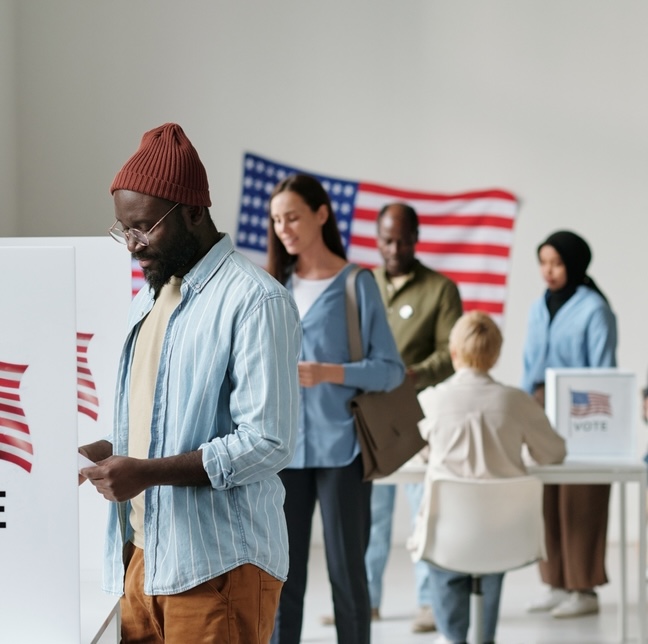
Analysis: Americans More Likely to Increase than Decrease Their Support if Candidate Favors Ceasefire
The second piece in ISPU’s new research series, titled “Religious Groups’ Views on Ceasefire,” looks at American religious and non-religious groups’ support for candidates who support a permanent ceasefire in Gaza, President Joe Biden’s handling of the crisis, and the proposed aid package to both the Israeli military and the Palestinian people. Read the analysis→
Analysis: Majority of Muslim and Jewish Democrats Favor a Permanent Ceasefire in Gaza
ISPU’s new research series, titled “Religious Groups’ Views on Ceasefire,” starts with a look at American religious and non-religious groups’ support for a permanent ceasefire in Gaza and where respondents place blame for the ongoing violence. Read the analysis→
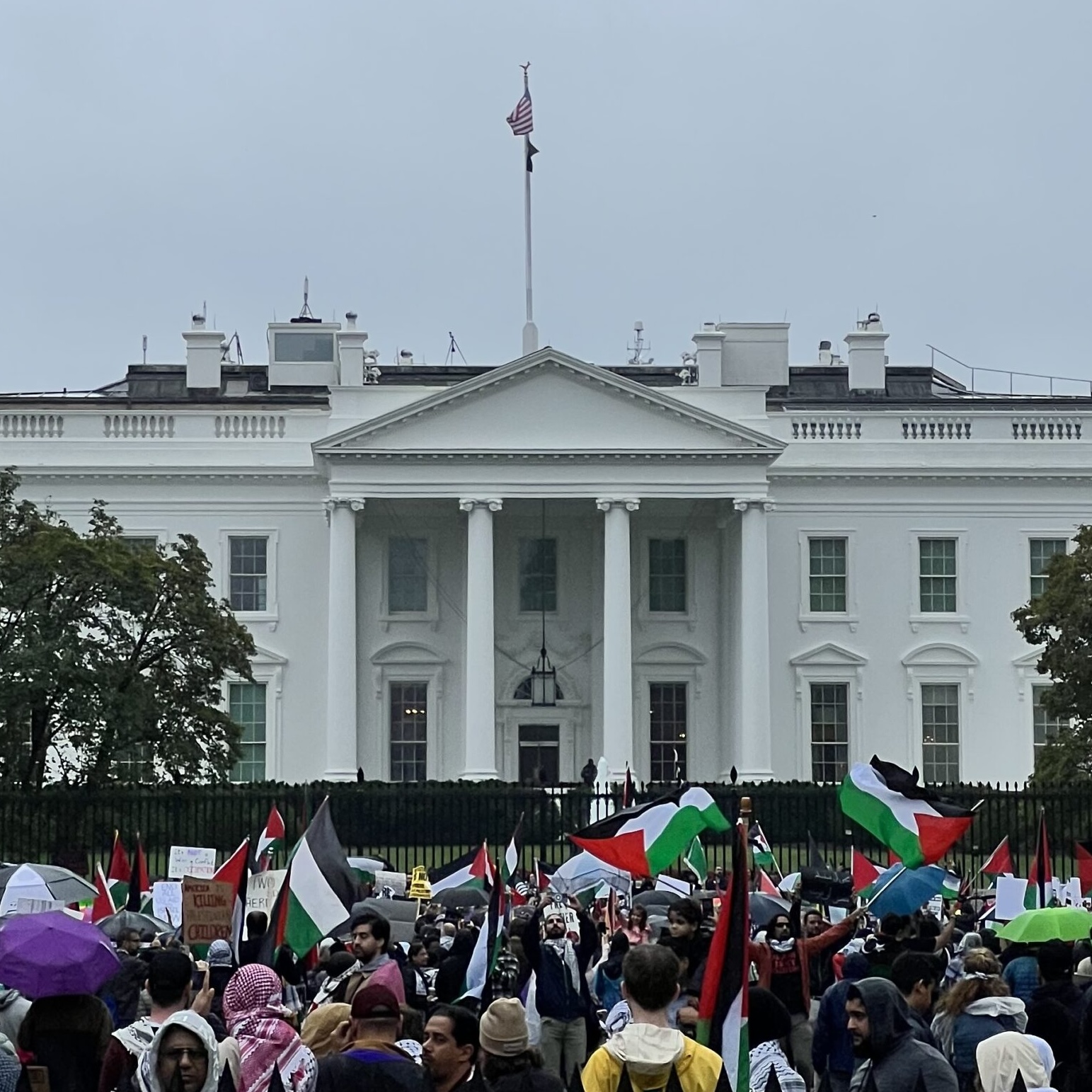
Resources on American Muslims and the Impact of Events in Palestine, Israel, and Surrounding Region
ISPU offers a selection of resources that can lend perspective on these domestic issues arising, including research, toolkits, and ISPU Scholar analysis. Access the research and resources→

Native American and Indigenous Muslims: Reclaiming the Narrative | Trends and Treasures
Available now, Trends and Treasures is a thematic report of the strengths and struggles of Native American and Indigenous Muslims from the NAIMS project. Learn more→
WHAT IS ISPU?
ISPU provides objective research and education about American Muslims to support well-informed dialogue and decision-making.
RECENT REPORTS
OUR RESEARCH
Our work makes impact in the following areas:
DEVELOPING
COMMUNITY
Researching family and wellness and building community capacity

BUILDING
UNDERSTANDING
Protecting American pluralism and quantifying Muslim contributions
PROVIDING
THOUGHT LEADERSHIP
Offering platforms for discussion and informing national conversations
OUR RESEARCH
Our work makes impact in the following areas:
DEVELOPING
COMMUNITY
Researching family and wellness and building community capacity
BUILDING
UNDERSTANDING
Protecting American pluralism and quantifying Muslim contributions
PROVIDING
THOUGHT LEADERSHIP
Offering platforms for discussion and informing national conversations

“Thank you for your hard work. ISPU has always been and continue to be the beacon of knowledge and understanding through facts. Thank you again for making our Muslim community shine.”
JUMAN DOLEH-ALOMARY, Information Technology Audit Director at Wayne State
University and executive board member of Arab American Women’s Business Council
“ISPU’s work is very profound. There’s so much truth in what they do—even making our community put a mirror up and saying this is what’s going on. I think that’s critically important.”
CONGRESSWOMAN RASHIDA TLAIB (MI-13)

“You planted a seed about the need for better representation of Black Muslims—women in particular—in the media. The choice I made to feature a young, Black woman came out of [ISPU’s training for journalists]. The seminar helped me see my gaps and blind spots.”
LIZ KINEKE, Broadcast journalist
FEATURED TOOLKIT

COUNTERING MOSQUE OPPOSITION
Recommendations for mosque leaders, policymakers, interfaith and community allies, and more.
OUR IMPACT

STORY OF IMPACT
Using data for successful reentry
“Our organization, Tayba Foundation, has served the education and reentry needs of over 9,300 incarcerated men and women across 42 states in over 500 prisons. Over 90% of our student population are African American and the majority converted while in prison.
So, we were very excited to attend the ISPU webinar on African Americans and mosque attendance to see what we could learn and take back to benefit our students. Myself and a number of the Tayba team attended the event and then had multiple follow-up team discussions about what was shared. The event and the research gave us more insight into some of the dynamics that we must consider. We know that part of successful reentry for returning citizens is to be part of a masjid community, and the ISPU research will aid in how we coach our clients and students on how to best bring regular masjid attendance into one’s life.”
– Rami Nsour, Founding Director of Tayba Foundation
OUR IMPACT
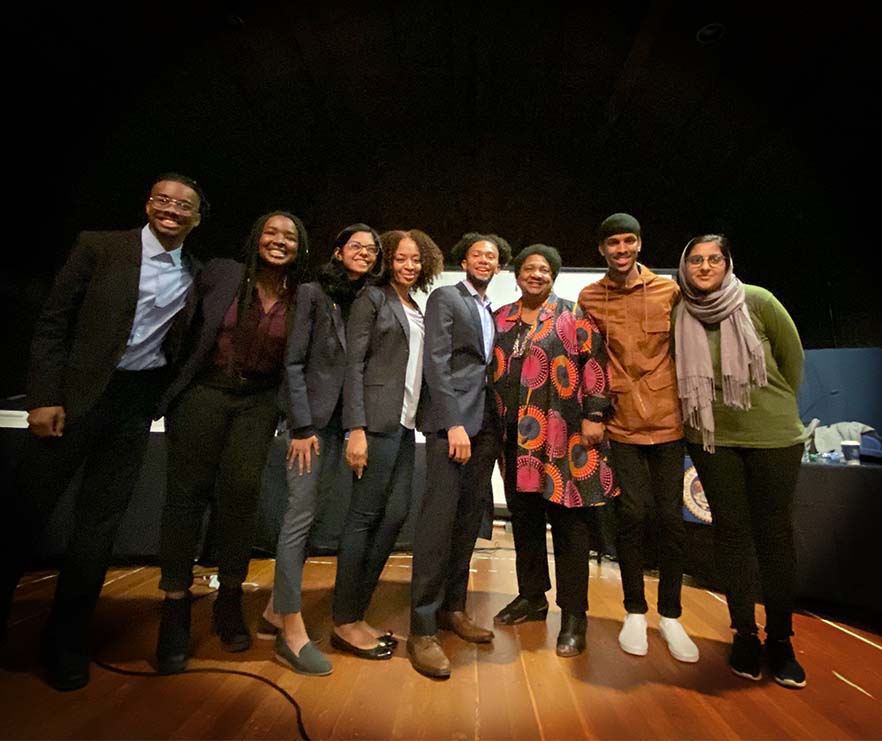
STORY OF IMPACT
A Student’s Compelling Testimony
We know anecdotally that Muslim college students suffer from Islamophobia, but there was room to learn much more. So, ISPU partnered with MSA West to survey over 500 Muslim college students across California, gaining important insights on the well-being of a vulnerable and under-researched population. What we discovered is already making an impact.
Sadia Khan is a legal studies major at UC Berkeley and a member of her campus’ MSA Political Action Committee. In 2019, she testified on a panel at a California State Assembly hearing on campus climate… Read more→
WHAT CAN YOU DO?

ISPU is a nonprofit organization that relies on the generosity of individual donors to keep our research free and accessible to everyone who needs it. You can help us keep it that way.
OUR SUPPORTING PARTNERS











OUR SUPPORTING PARTNERS