Countering and Dismantling Islamophobia and Anti-Muslim Discrimination
Effectively Address Islamophobia in your Field
Our comprehensive guide for individuals and organizations has a dual purpose. First, to deepen an understanding of what Islamophobia actually is and how it operates. Second, to provide practical, field-specific strategies that people across sectors can use to dismantle it within their own spheres of influence.
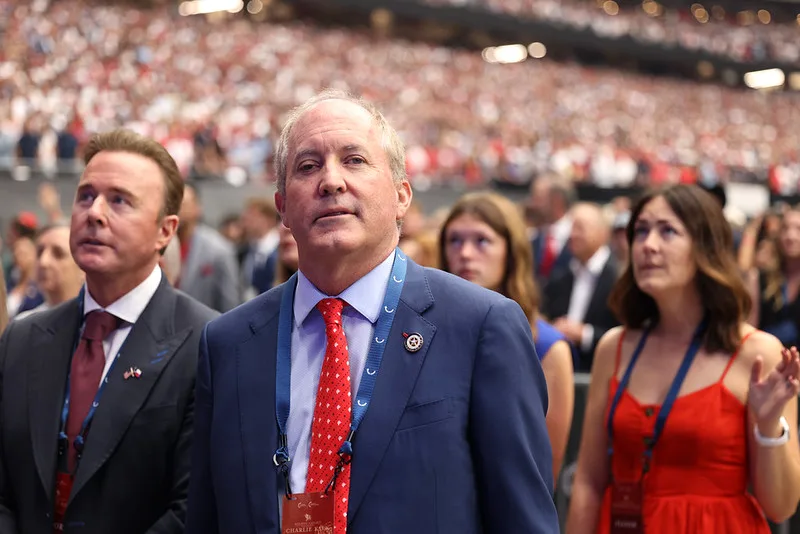
Research shows that Islamophobia intensifies during election seasons, when anti-Muslim rhetoric is deliberately used as a tool to advance specific policies or candidates. And, Saher Selod writes in ISPU’s Substack, as current political rhetoric targeting Muslims increases with campaigning for the midterm elections, Republicans in states like Texas and Oklahoma are in active attack mode against their Muslims constituents. Photo of Ken Paxton by Gage Skidmore
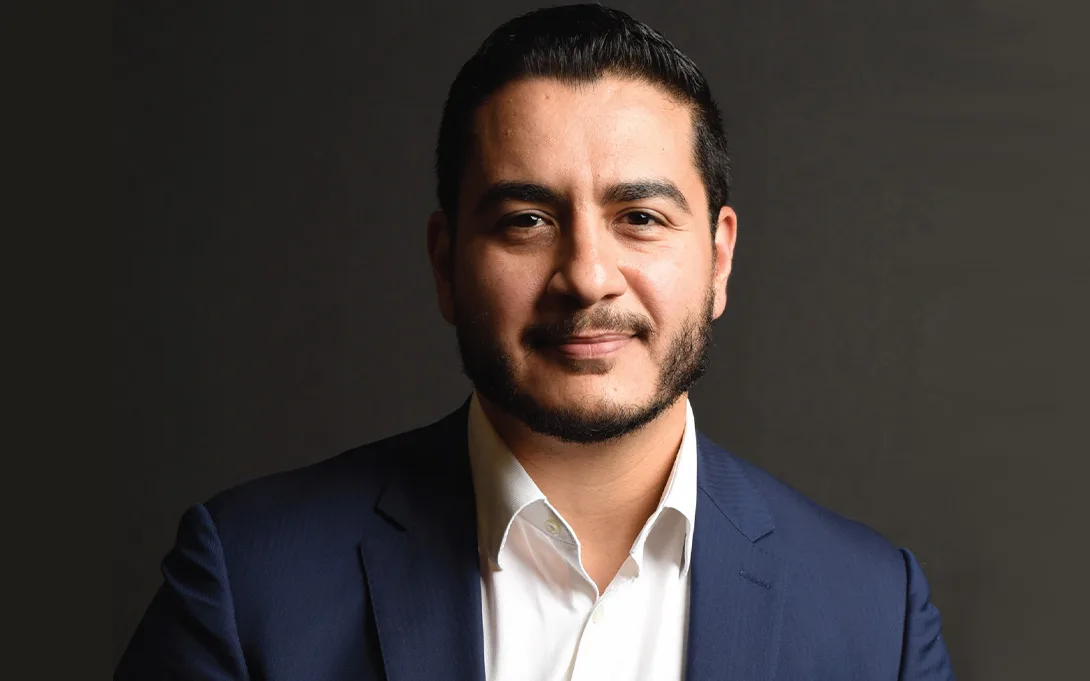
Abdul El-Sayed’s nomination sits at the intersection of two important trends the data bear out: American Muslims are becoming more visible, organized, and engaged in American political life, even as public endorsement of anti-Muslim stereotypes is rising. In a new Substack, Tuqa Nusairat writes about the escalating anti-Muslim rhetoric after El-Sayed’s primary win in Michigan—and how Muslims may respond.
Researching family and wellness and building community capacity
Building Understanding
Protecting American pluralism and quantifying Muslim contributions
Providing Thought Leadership
Offering platforms for discussion and informing national conversations
How We Create Impact
Discover
We conduct rigorous, objective research on issues impacting American Muslims using a variety of methods.
Educate
We translate research into accessible resources, toolkits, and educational materials for diverse audiences.
Equip
Our strategy of equipping leaders multiplies our impact as the data lives on in the work of those who catalyze change.
ISPU in the News
From national outlets to local reporting, journalists rely on ISPU research and experts to inform stories about Muslim communities in the United States.
I remember the first time I learned ISPU’s facts and data about American Muslims and anti-Muslim discrimination, and the impact it had on my own understanding of the ways that anti-Muslim bigotry shows up in our country. It completely shifted my paradigm of what it means to love my Muslim neighbors from one of charity to mutual solidarity. It helped me to see the role that I have to play from where I’m situated, understanding that my own sense of freedom and dignity is tied to that of my Muslim neighbors.
- Becca Tyvoll, Partnerships and Program Coordinator, Shoulder to Shoulder Campaign
ISPU provides objective research and education about American Muslims to support well-informed dialogue and decision-making. This work is made possible in part through the support of generous individuals.
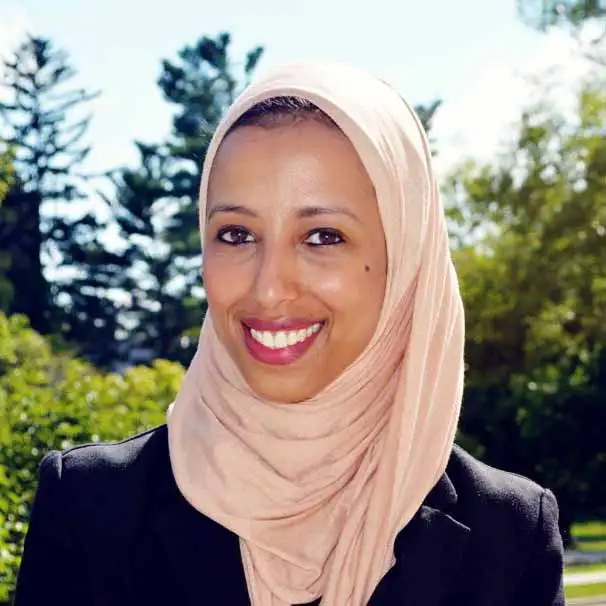
Dr. Ifrah Magan currently serves as a faculty fellow/assistant professor at New York University (2018–2020). A qualitative researcher and social worker, Dr. Magan incorporates storytelling as a method
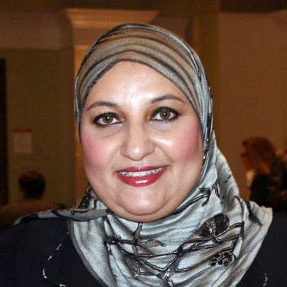
Dr. Sahar Khamis is an associate professor in the Department of Communication at the University of Maryland, College Park. She is an expert on Arab and Muslim media,
Quaiser Abdullah, PhD, is an Assistant Professor in the Communication and Social Influence Department in Klein College of Media and Communication at Temple University. He primarily teaches courses
Sameera Ahmed, PhD, is the executive director of The Family and Youth Institute, a leading research and education organization dedicated to strengthening and empowering individuals, families, and communities.
Dr. Amir Hussain is Professor of Theological Studies at Loyola Marymount University in Los Angeles, where he teaches courses on world religions. His own particular speciality is the
Asma T. Uddin is a fellow with the Initiative on Security and Religious Freedom at the UCLA Burkle Center for International Relations. She is also a Berkley Center
Elisabeth Becker is a doctoral candidate in Sociology at Yale University, where she is a junior fellow in cultural sociology and religion and politics. Elisabeth graduated wth a
Dr. Ayaz Hyder is an Associate Professor in the College of Public Health and Core Faculty in the Translational Data Analytics Institute at The Ohio State University. Dr.
Cyra Akila Choudhury is a professor of law at FIU College of Law in Miami, Florida. Her scholarship focuses on religion and property, international and comparative gender, human
Hamada Hamid Altalib is a Senior Fellow and former Director for the Center for Global Health at ISPU. He is also an Assistant Professor in the Departments of
Hatem Bazian is a co-founder and professor of Islamic law and theology at Zaytuna College, the first accredited Muslim liberal arts college in the United States. In addition,
Kumar Rao is a lawyer and advocate with years of experience partnering with grassroots organizations and elected officials in the fight to strengthen our democracy, and for racial
Maryam Razvi Padela is an educator and researcher. Her particular interests include investigating pedagogy used while teaching and learning about religion. Her dissertation was titled “The Representation and
Dalia Mogahed is a scholar at the Institute for Social Policy and Understanding. Mogahed is the former Director of Research at ISPU, where she led the organization’s pioneering
Engy Abdelkader is an award-winning attorney and scholar who has worked with Muslims, Arabs and South Asians since 9/11 to address Islamophobia. Her research and writing explores religious
Kristine J. Ajrouch, PhD, is Professor of Sociology at Eastern Michigan University. She is also Adjunct Research Professor at the Institute for Social Research at the University of
What Can You Do?
ISPU is a nonprofit organization that relies on the generosity of individual donors to keep our research free and accessible to everyone who needs it. You can help us keep it that way.
ISPU is a nonprofit organization that relies on the generosity of individual donors to keep our research free and accessible to everyone who needs it. You can help us keep it that way.
Conducted by the Institute for Social Policy and Understanding (ISPU) in partnership with Stanford’s Muslim Mental Health and Islamic Psychology Lab, this qualitative study