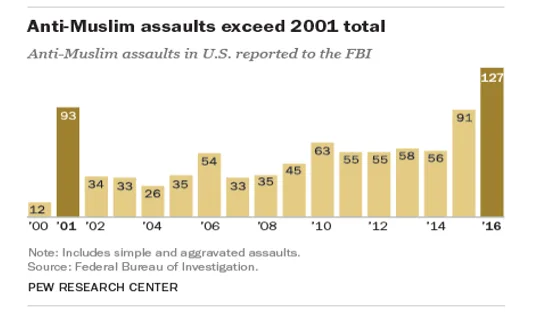
The destruction and skyrocketing death toll in Gaza has horrified the world, as did the attacks in Israel on October 7. As the worsening crisis continues to unfold overseas, the ramifications in the American context have included Islamophobic, anti-Arab, and antisemitic actions and incidents, including the murder of 6-year-old Palestinian American Wadea Al-Fayoume, killed by his family’s landlord in Illinois in a hate-fueled attack that also injured his mother.
On university campuses, within workplaces and beyond, the limits of the right to free speech and to assembly, guaranteed by the First Amendment, are being tested. Students and faculty at educational institutions are facing pressure and threats of being doxxed, defamed, and disavowed on campuses and by potential employers for expressing themselves. Similar scenarios are playing out in workplaces. Social media platforms are being accused of censoring users posting in support of Palestinians. Muslim/Jewish relationships, strong in recent years, are also being tested, and there are looming questions about how current events will affect the 2024 US elections, with political rhetoric alienating a wide swathe of Muslim and Arab voters.
Within this context, ISPU offers a selection of research and resources that can lend perspective on these domestic issues arising. This includes:
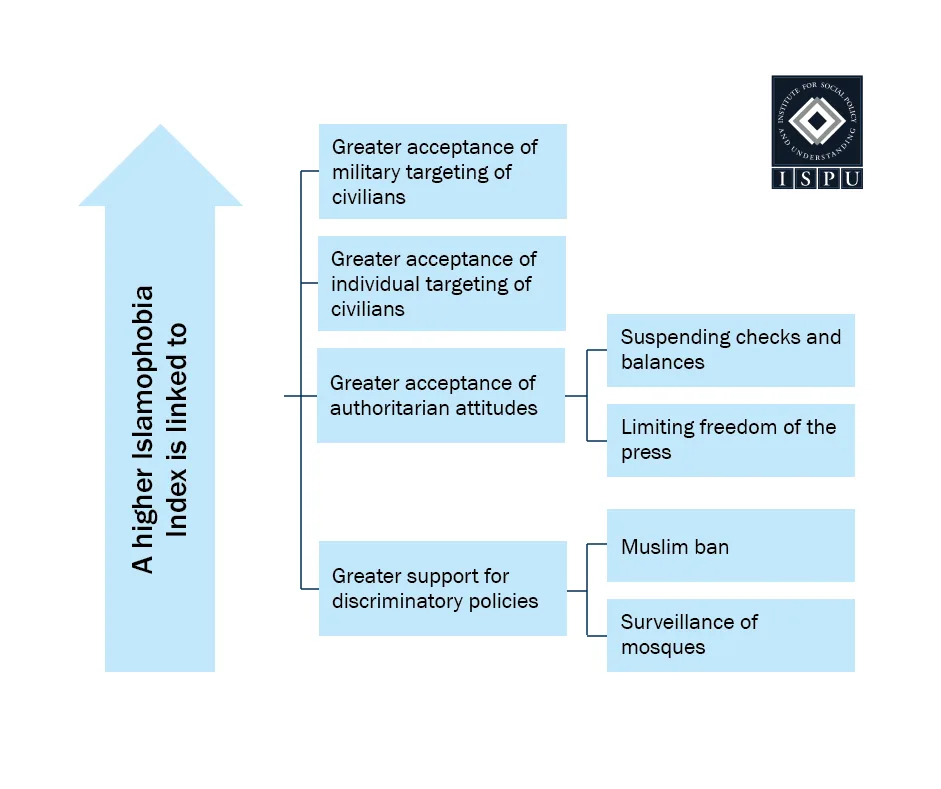
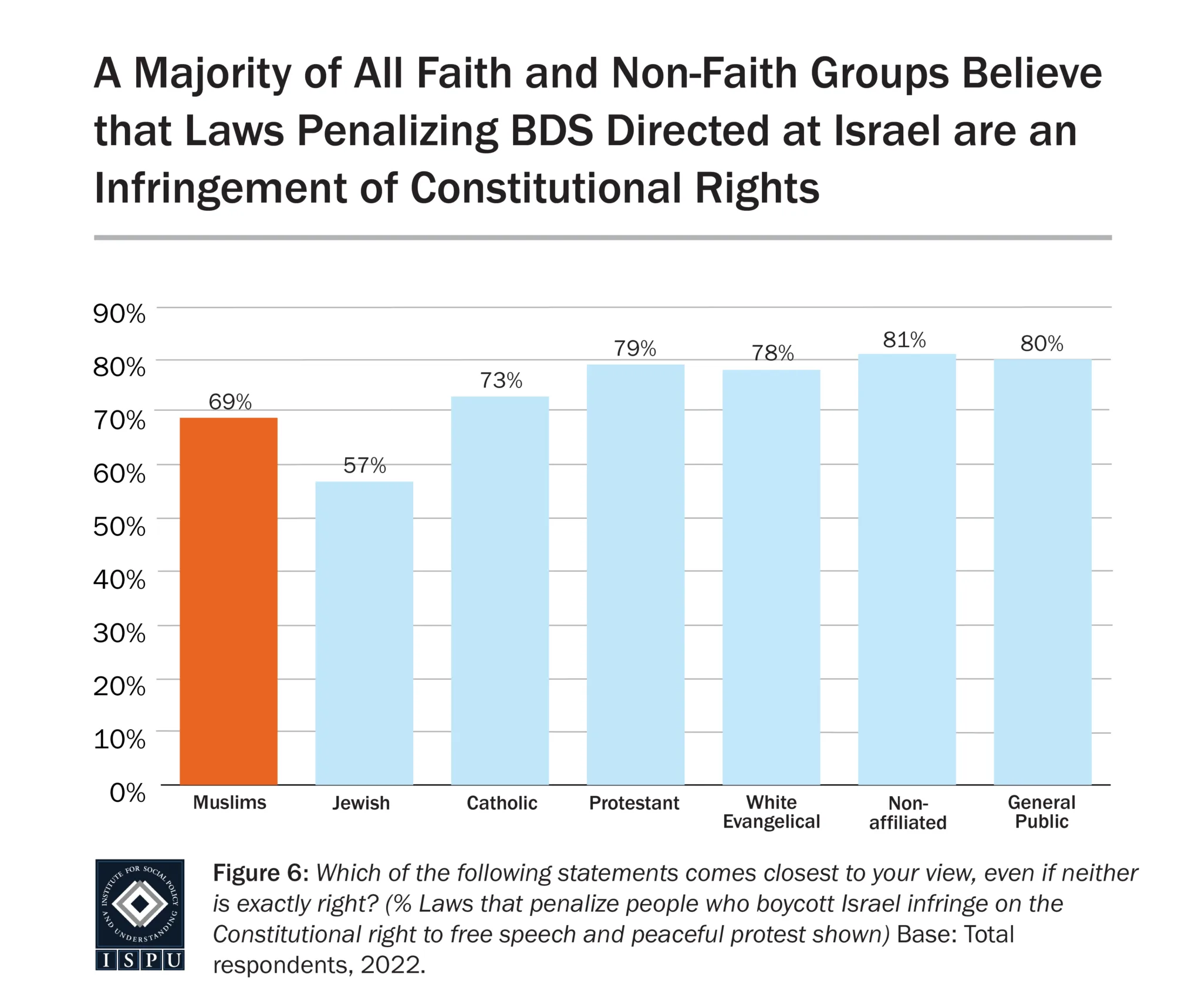
- Research focused on combating anti-Muslim hate and bigotry, the impact of political rhetoric on Muslims, media coverage of violence, the right to protest and views on the Boycott, Divestment and Sanctions (BDS) movement, Muslim/Jewish relationships, antisemitism, and Muslim political participation and affiliation.
- Toolkits for addressing and mitigating the impacts of current events on American Muslims.
- ISPU Scholar analysis and tools on what is taking place.
Religious Groups’ Views on A Ceasefire
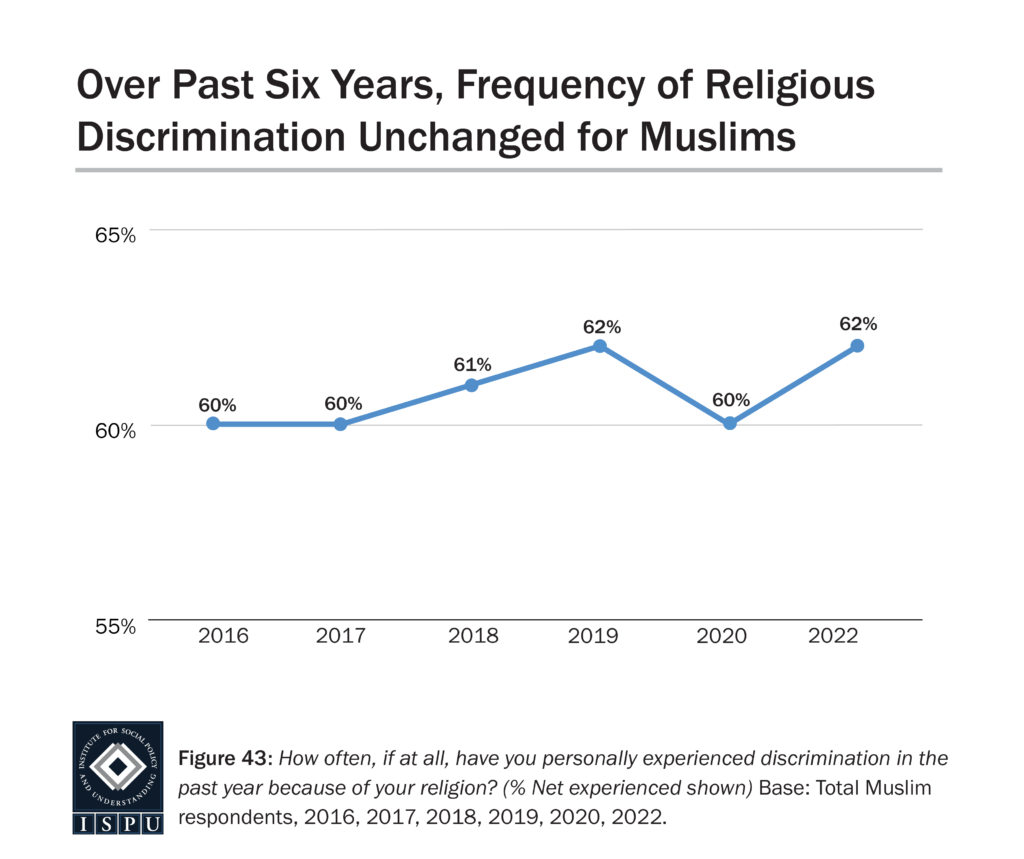
In early 2024, ISPU conducted a survey aiming to assess the views of Muslim and Jewish Americans, as well as Catholic, Protestant, including white Evangelicals, and those not affiliated with a religious group, on topics related to the crisis in Gaza. The first in this series of analysis pieces, Majority of Muslim and Jewish Democrats Favor a Permanent Ceasefire in Gaza, was published February 12 and can be read here. Americans More Likely to Increase than Decrease Their Support if Candidate Favors Ceasefire and American Muslims, Especially Students, Most Likely to Experience Religious Discrimination, were published on March 5 and April 16, 2024, respectively.
On February 25, ISPU Director of Research, Saher Selod, published an op-ed in USA Today utilizing ISPU research on the crisis in Gaza. The piece, titled, “Majority of US voters want Gaza cease-fire. Do Jewish, evangelical faithful agree?” can be read here. A follow-up op-ed, titled “Perpetuating Islamophobia by Policing Student Protestors,” can be read here.
Winning Muslim Votes
In September, ISPU published a new report shedding light on Muslim voter preferences and opinions compared to the general public in three key swing states (Georgia, Pennsylvania, and Michigan) in advance of the 2024 general election. It provides detailed insight into what’s driving these voters’ decisions during a time when the war on Gaza is galvanizing this electorate.