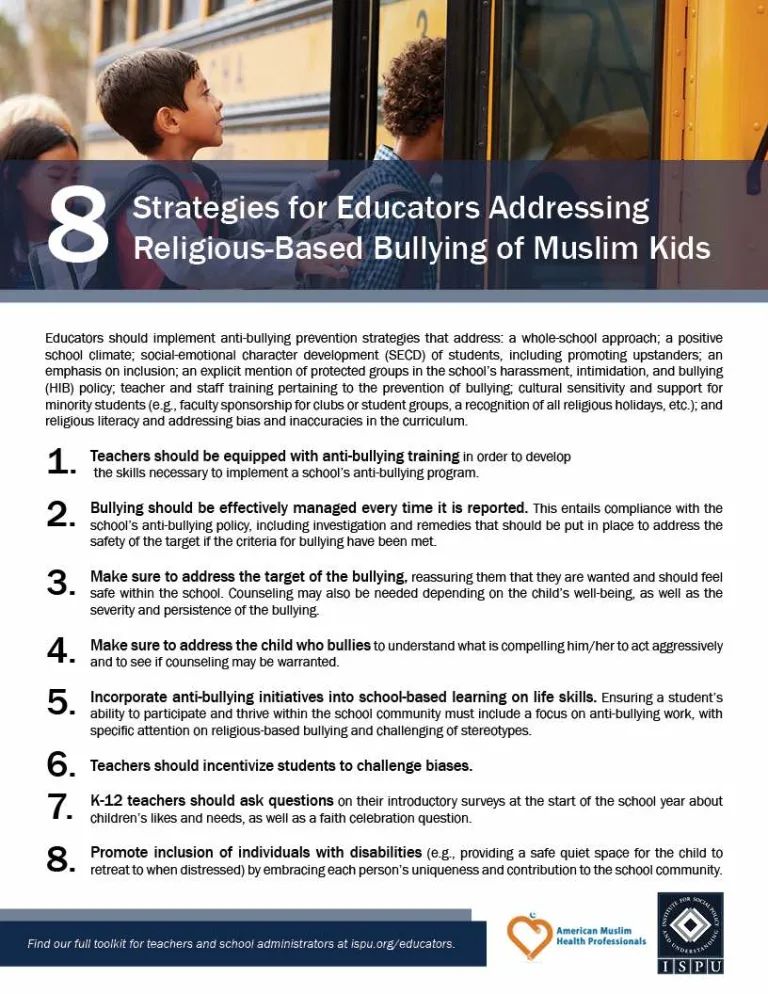
This webinar summarizes the recommendations from our report, Religious-Based Bullying: Insights on Research and Evidence-Based Best Practices from the National Interfaith Anti-Bullying Summit. The webinar was sponsored by ISPU, Islamic Networks Group (ING), American Muslim Health Professionals (AMHP), and Sikh Kid 2 Kid.
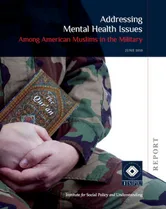
This report was co-published in April of 2022 by the Institute for Social Policy and Understanding (ISPU) and the Stanford Muslim Mental Health & Islamic Psychology Lab. You can download and share the infographic that visually represents how American Muslim healthcare workers fared during COVID-19 and their coping strategies.
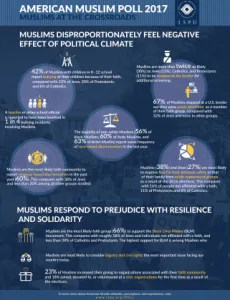
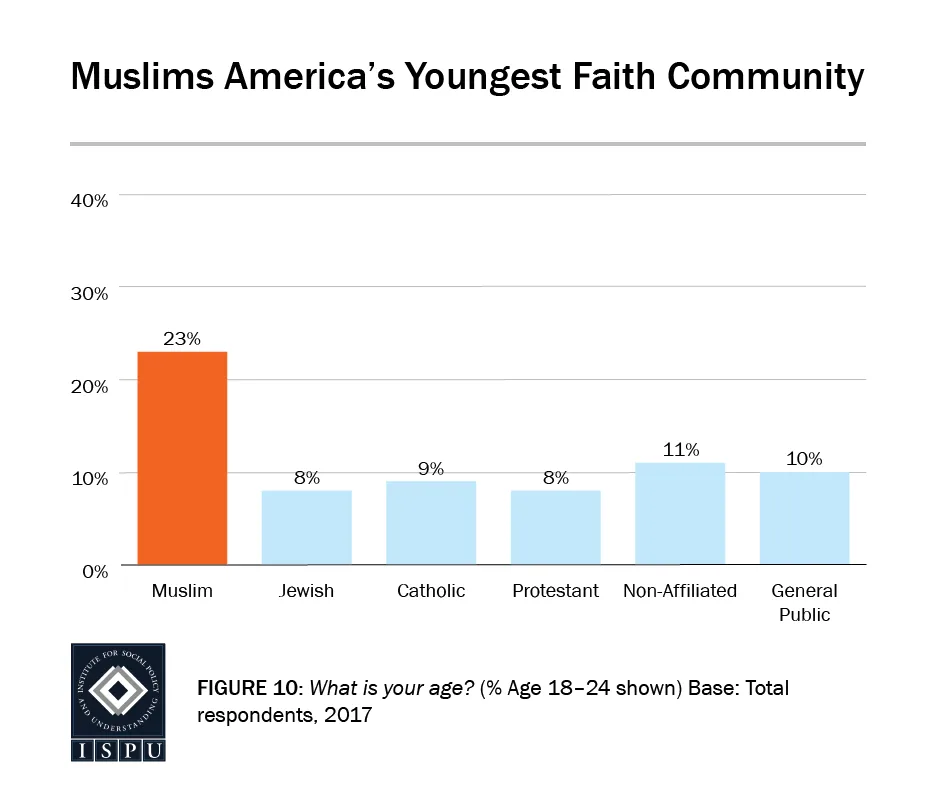
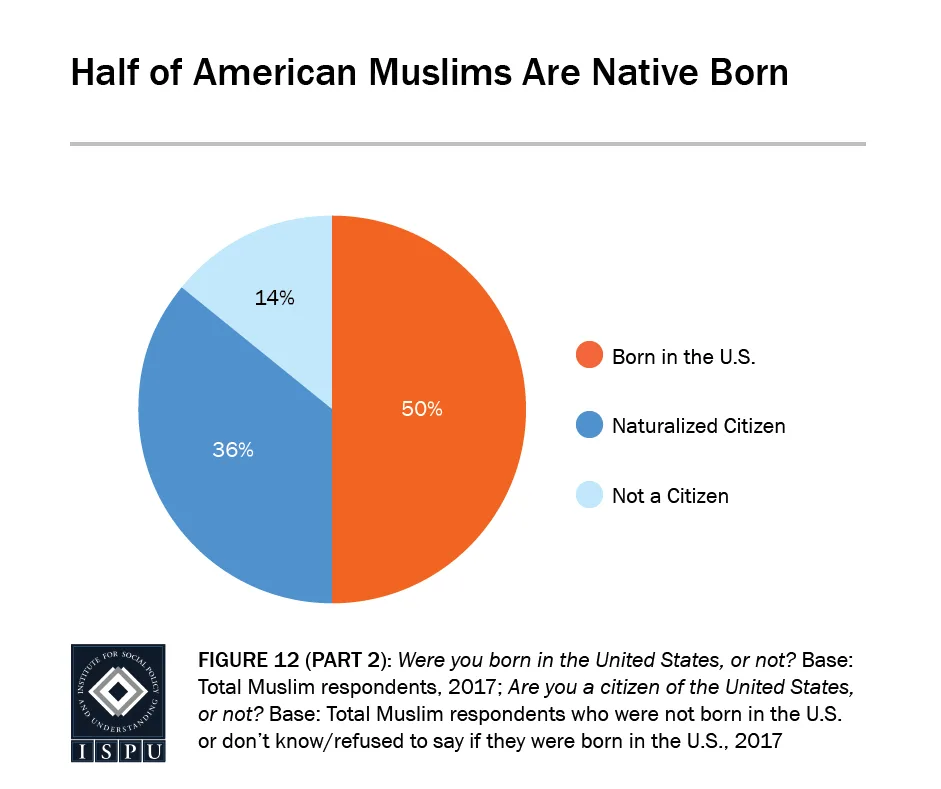
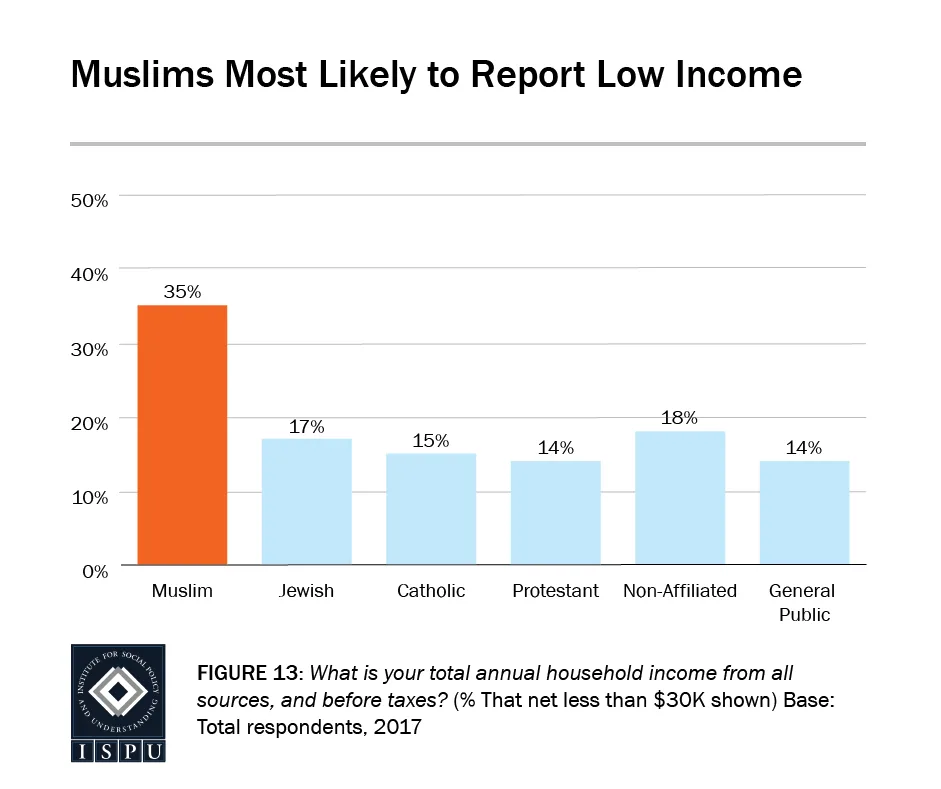
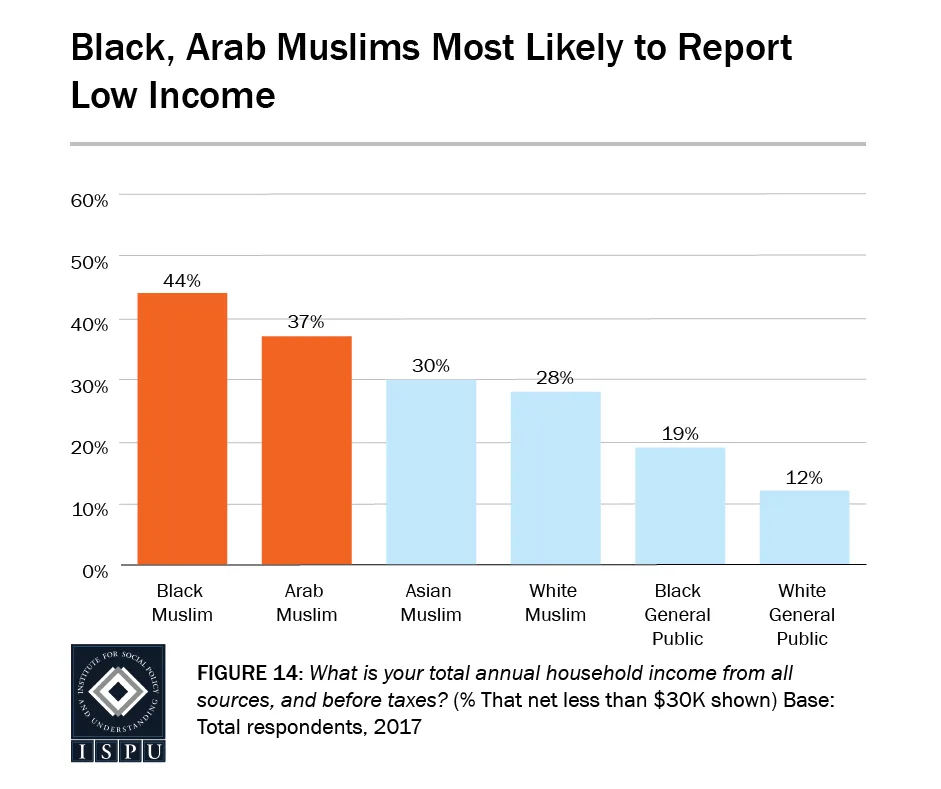
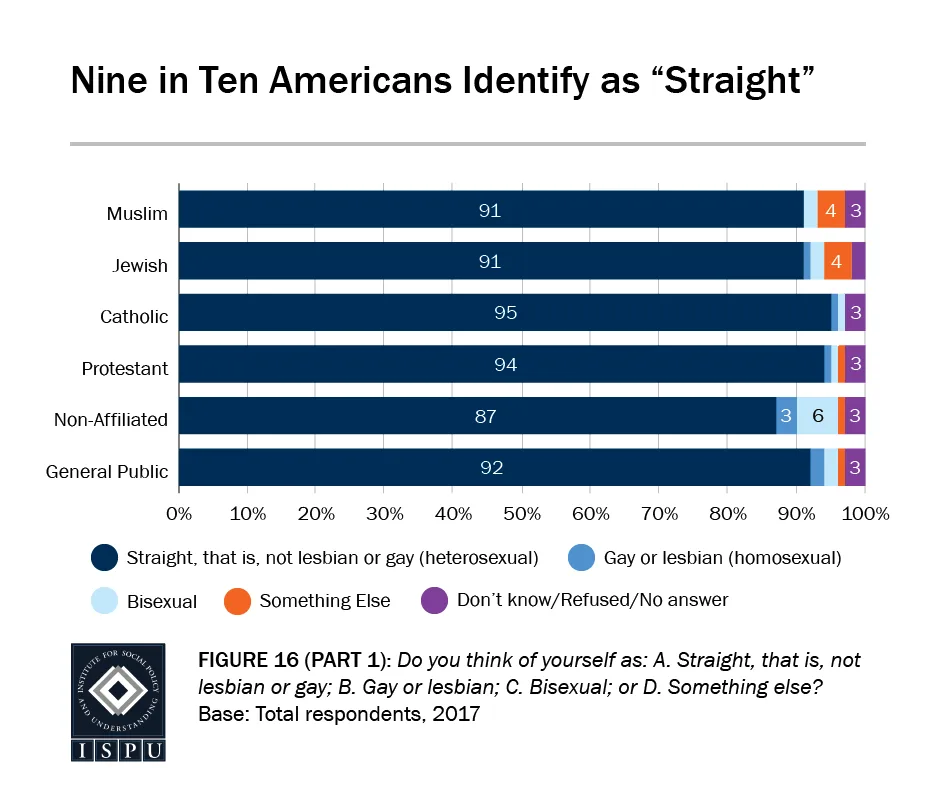
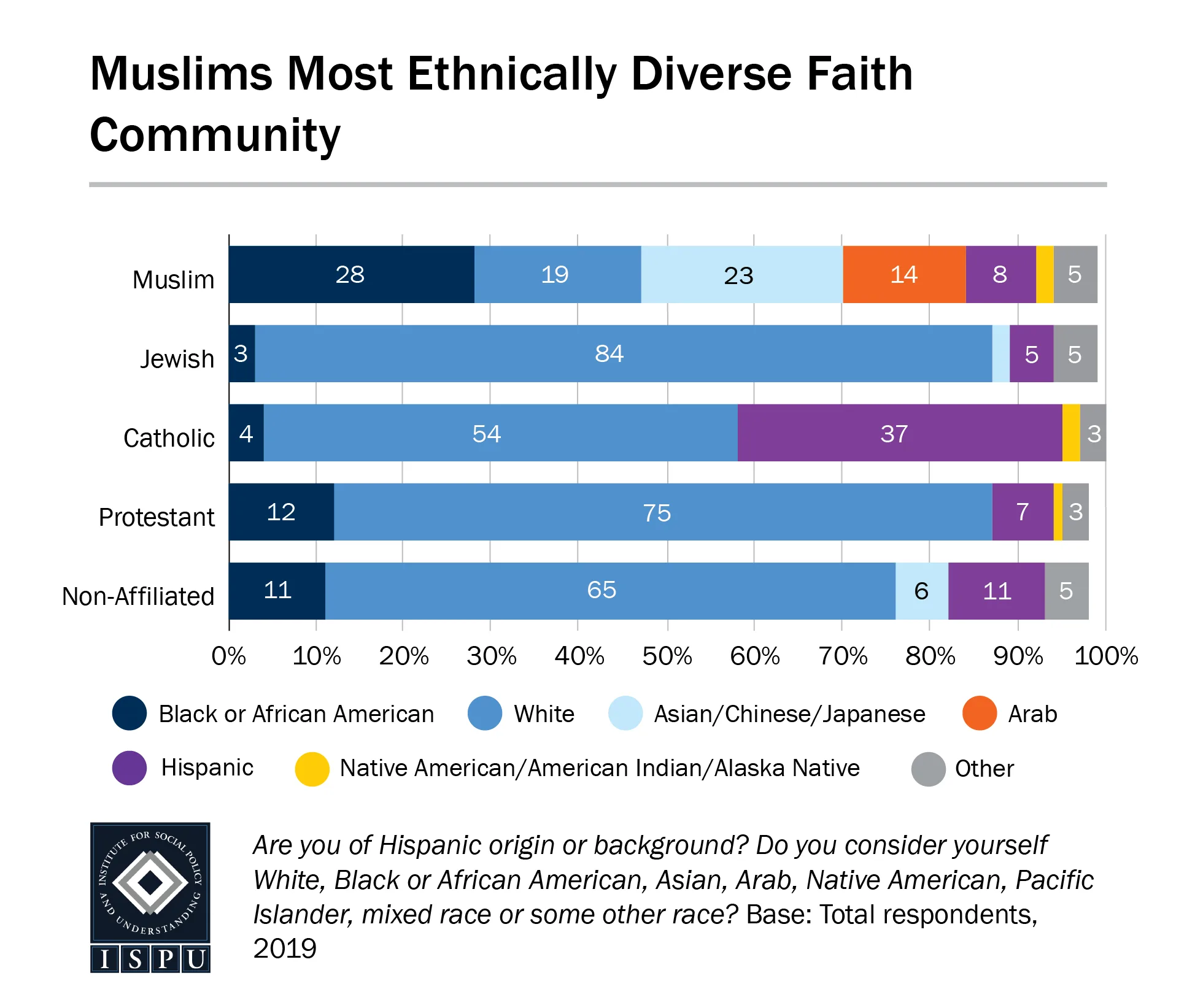
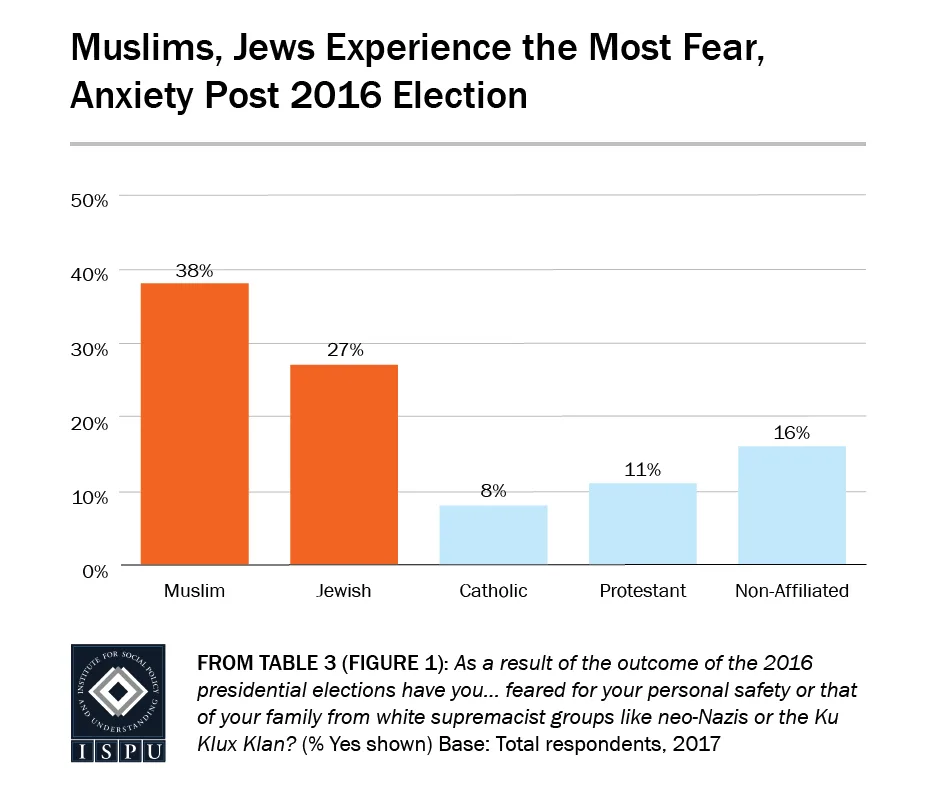
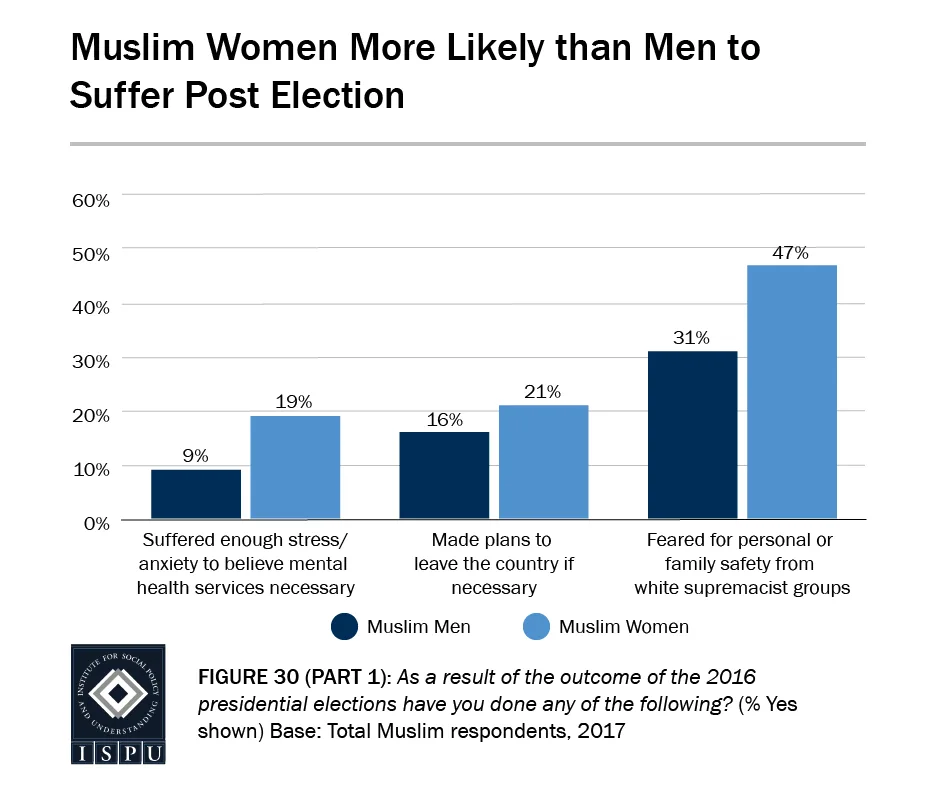
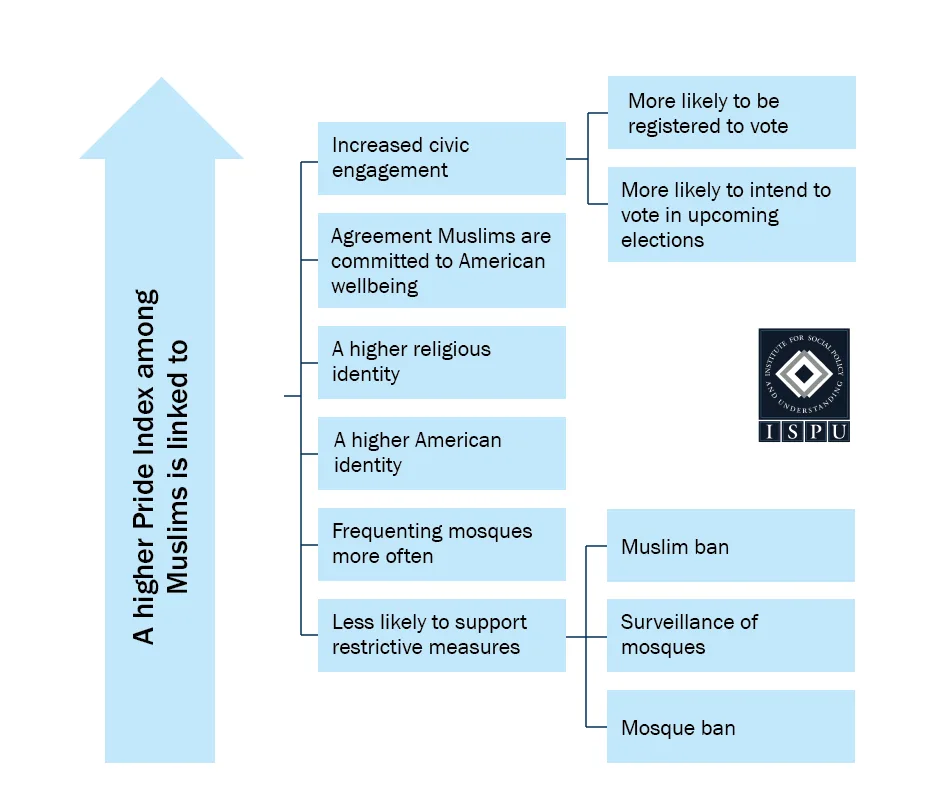
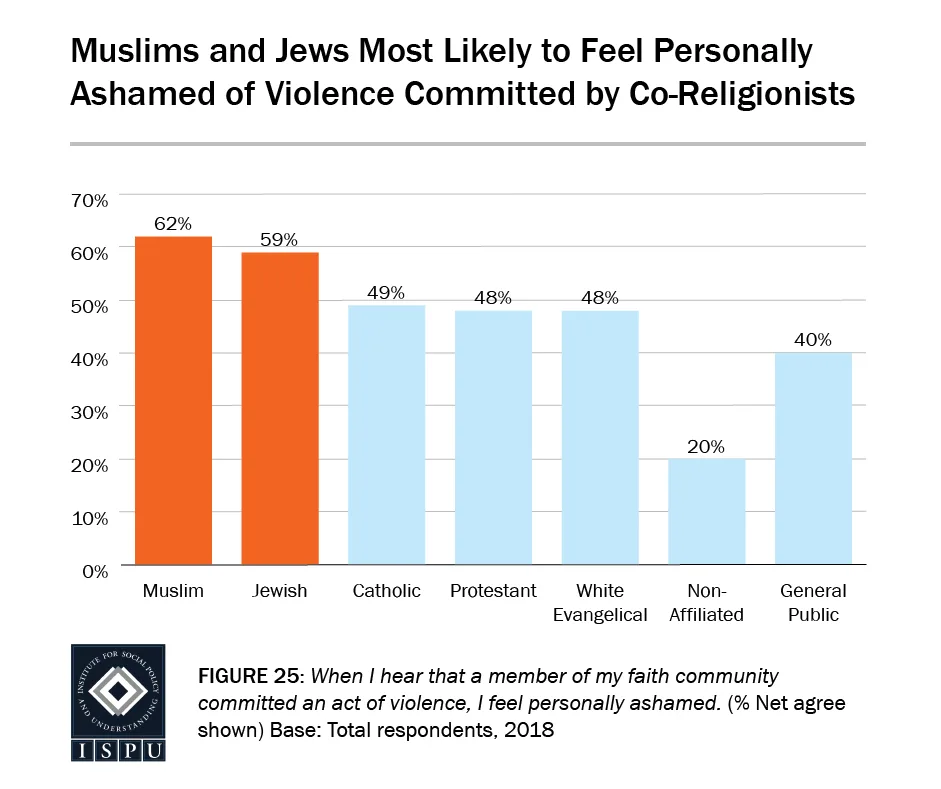
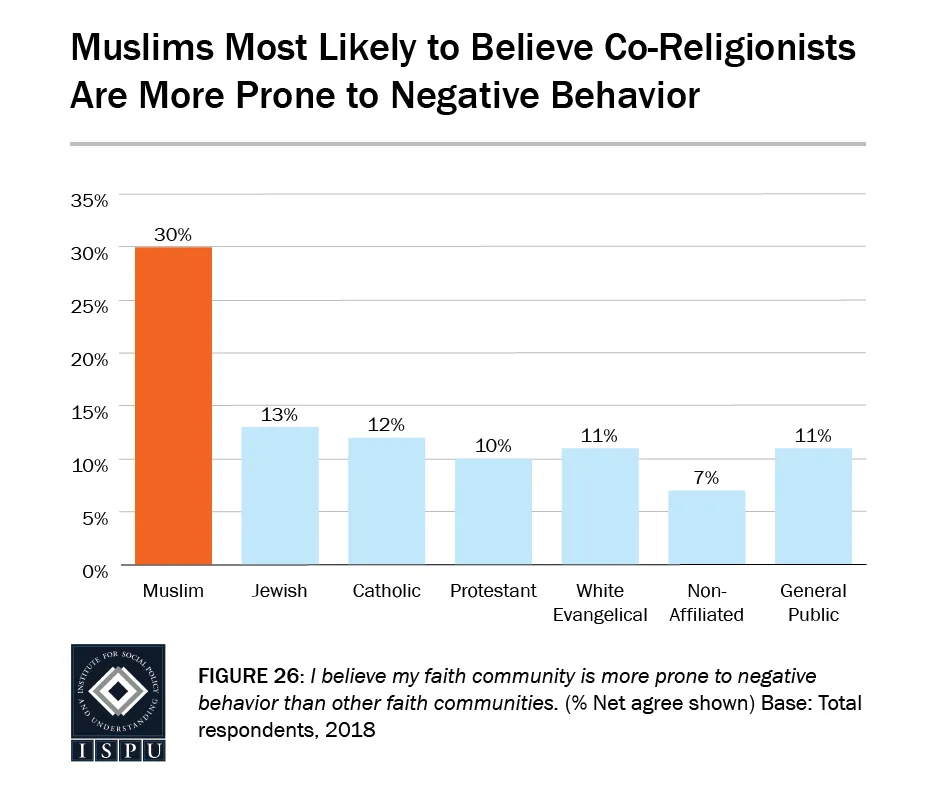
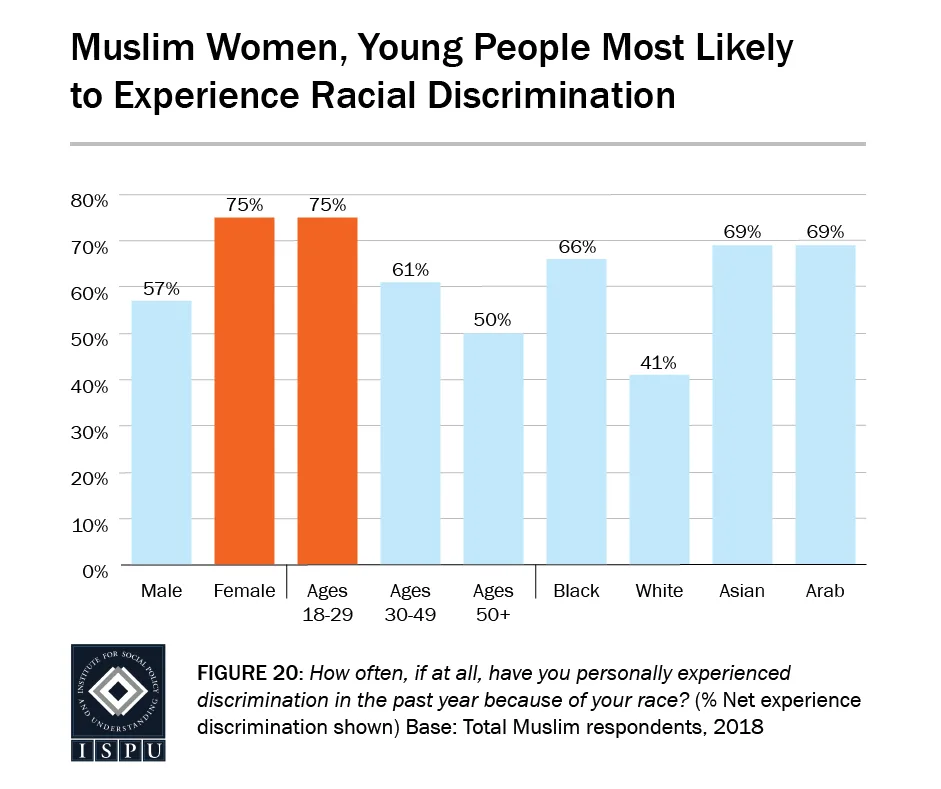
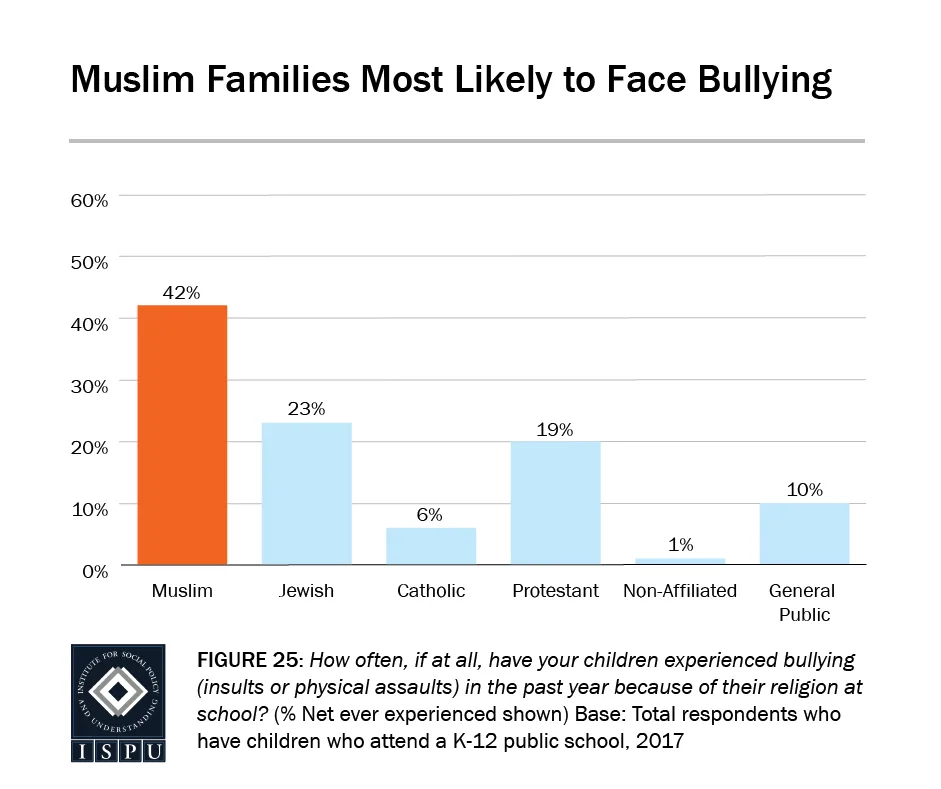
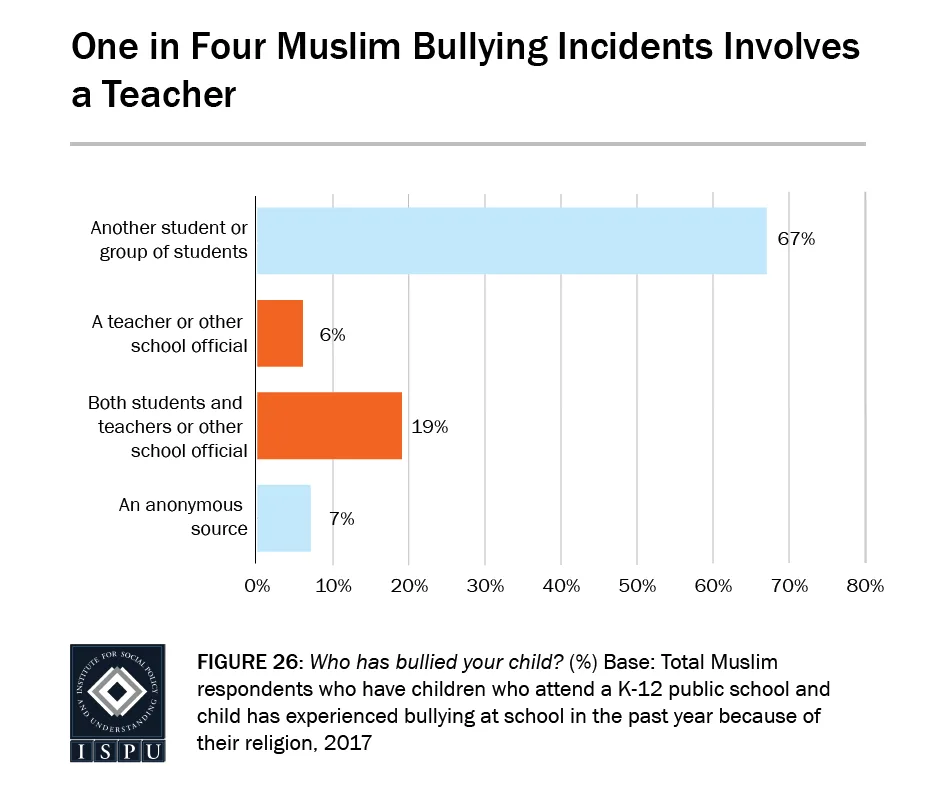
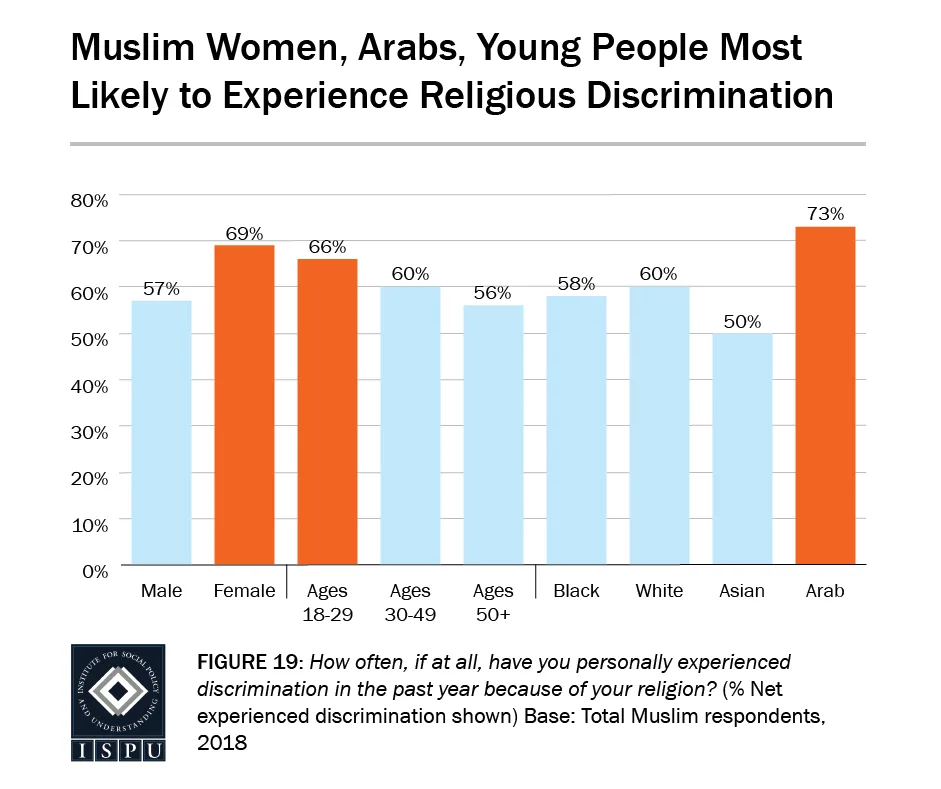
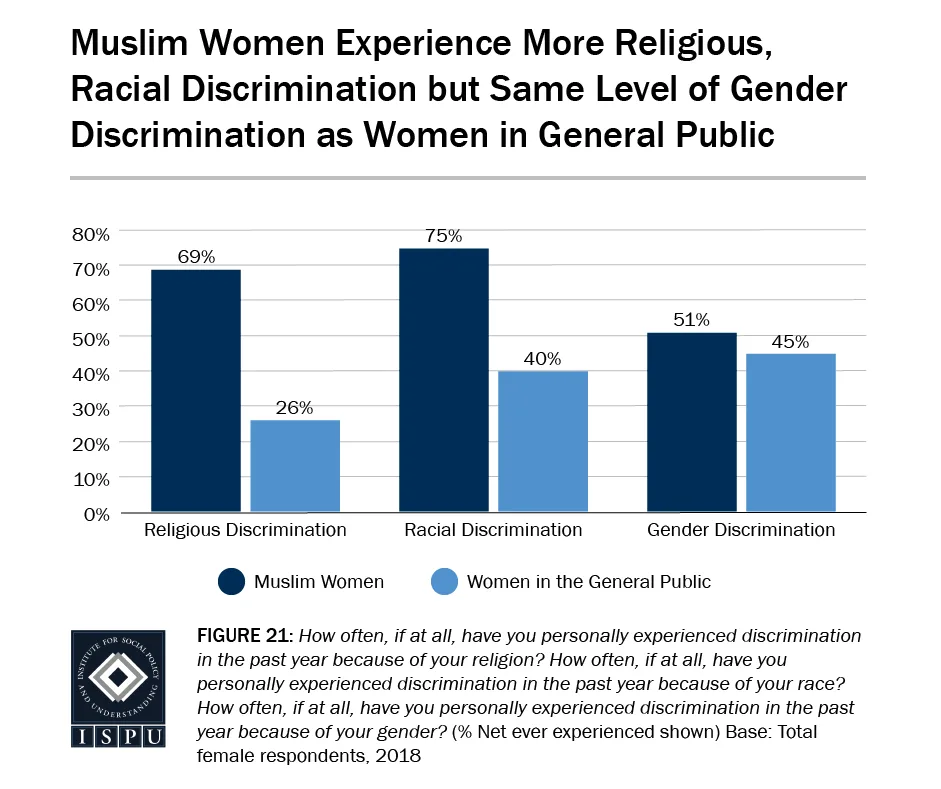
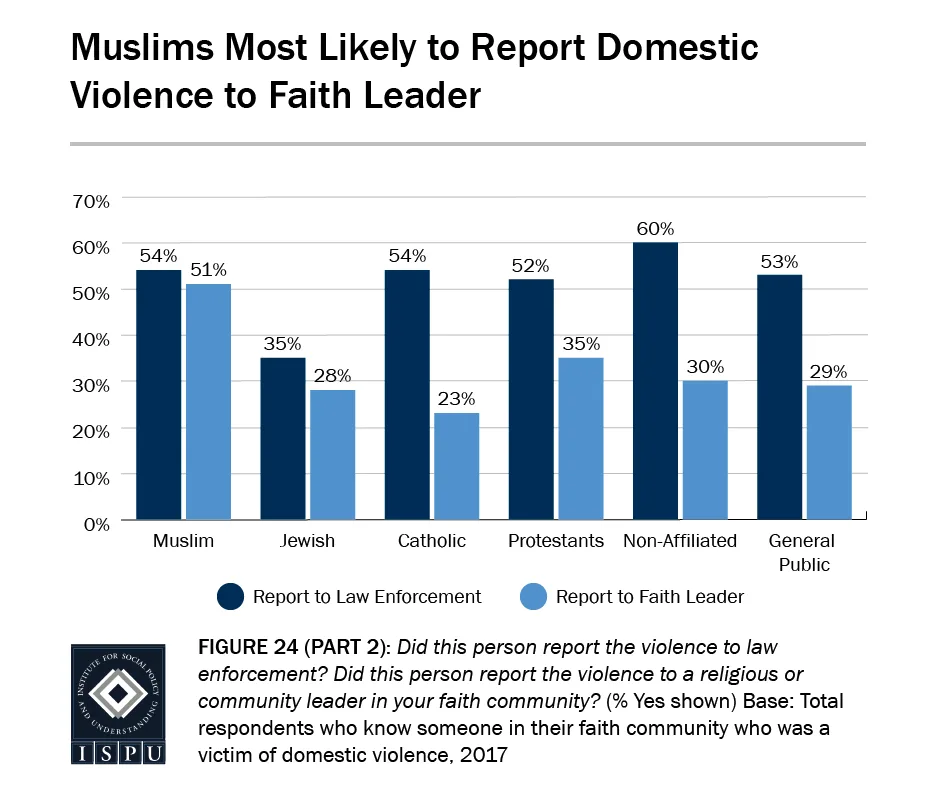
The following graphs show mental health-related findings from our 2016–2019 American Muslim Polls.


The Institute for Muslim Mental Health maintains a directory of Muslim mental health professionals. Find and connect with therapist or counselors using that directory.
Dr. Laird holds a doctorate of Psychology with a specialization in Marriage and Family Therapy,
Sameera Ahmed, PhD, is the executive director of The Family and Youth Institute, a leading
Kameelah Mu’Min Oseguera, PsyD is the Founder and President of Muslim Wellness Foundation (MWF), a
Hamada Hamid Altalib is a Senior Fellow and former Director for the Center for Global
Rania Awaad, MD, is a clinical associate professor of psychiatry at the Stanford University School
Altaf Husain serves as an Associate Professor and chair of the Community, Administration and Policy
Ben Herzig is a Scholar at ISPU and is a psychologist in private practice in
Amal Killawi is a clinical social worker, researcher, and community educator. She serves as a
Dr. Nadia Ansary received her BA in Psychology (and Biology) from Rutgers University and her